Research
Our goal is to help build effective disease mitigation strategies.
Unfortunately, the places that are hit hardest by infectious diseases often also have the spottiest data. These infections can get missed because of:
 mild or asymptomatic infections
 barriers to healthcare access
🧪 limited testing resources
In our lab, we focus on better understanding these “unobserved” infections in two main areas of research:
I. Understanding the role of mild & asymptomatic infections in cholera transmission
We wanted to learn how much unobserved infections contribute to the spread of cholera. Working with collaborators in the USA, Bangladesh, and Democratic Republic of the Congo, we:
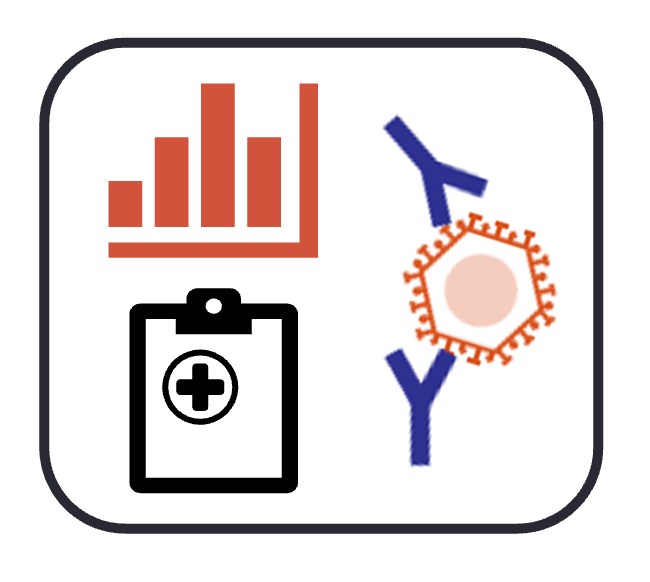 1) Used diverse types of health data (serological, clinical, and care-seeking) together to estimate how many cholera infections go unobserved (Hegde et al, 2024).
 2) Are characterizing the duration of cholera bacteria shedding in individuals with acute watery diarrhea compared to those with mild or asymptomatic infections.
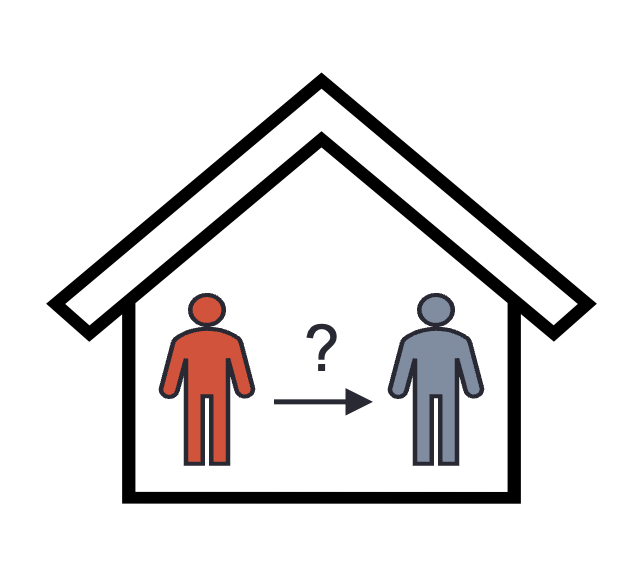 3) Used statistical transmission models to compare the probability of infection from close contacts with symptomatic or asymptomatic cholera (Smith et al, 2026).
This question remains central to our ongoing work.
II. Identifying who is missed by surveillance and who is most at risk of severe disease
We’re working to understand the true burden of cholera and Vibrio infections across the spectrum of disease severity so that vaccines, clinical resources, and prevention efforts reach the people who need them most. We are doing this by:
1) Estimating how many people with diarrhea don’t seek healthcare at facilities where they are likely to be counted and included in burden estimates, and why (Wiens et al, 2025; Miller et al, 2026).
2) Studying age-specific patterns in cholera burden globally, to help understand the role of childhood cholera in transmission and prevention efforts, including vaccination.
3) Identifying risk factors for severe vibriosis in the USA, and developing county-level tools to predict where and in whom severe outcomes are most likely.